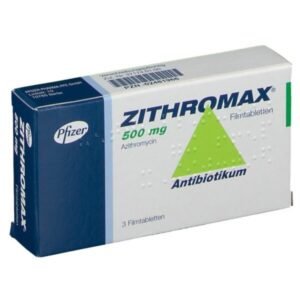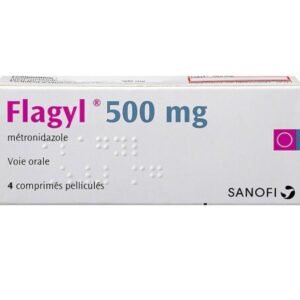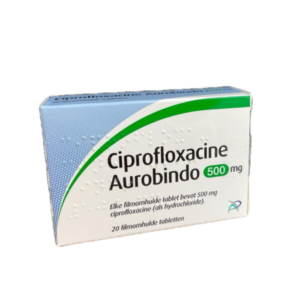
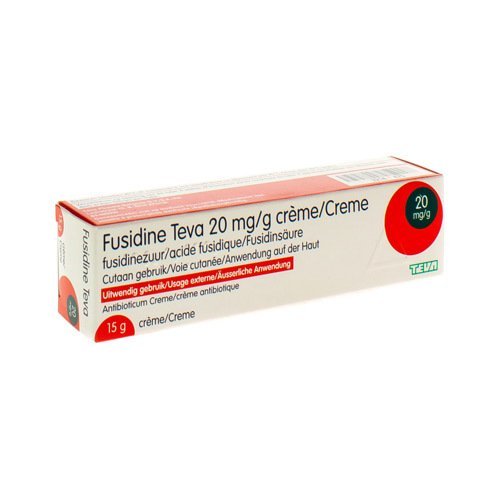
Buy Fucidin Cream
Buy fucidin cream is a mainly effective antibiotic against certain bacteria, Staphylococci.
In the form of tablets or oral suspension (oral route) it is indicated for the treatment of staphylococcal infections (with the exception of meningitis and urinary tract infections), especially skin and osteoarticular infections.
In the form of eye gel it can be used for bacterial infections of the eyes and eyelids.
In cream form, it should not be used for impetigo or furunculosis in case of intolerance, contraindication, or resistance to another antibiotic, mupirocin. The High Authority for Health (HAS) indicates that fucidin cream , when applied topically, promotes resistance, which could hinder its use by oral or injectable route.
Order cheap antibiotic ointment uk 20 mg discreetly online without a prescription, safely and reliably through our online pharmacy.
What should I consider before taking fucidin cream?
Oral fucidin cream: Do not use fucidin cream if you are being treated with a prescription cholesterol medication, as fusidic acid increases the risk of sometimes serious muscle effects. Talk to your doctor, who may decide to increase your statin during antibiotic treatment.
Consult your doctor if you have liver disease, are being treated for HIV, or are taking ciclosporin. As a precaution, she has advised against using fusidic acid during pregnancy (unless necessary) or breastfeeding. Ask your doctor or pharmacist .
Buy fucidin cream for topical application (Cream, Gel): This antibiotic can be used during pregnancy and breastfeeding, but ask your doctor or pharmacist for advice.
dose
The dose and duration of fucidin cream treatment will be determined by your doctor. As a guide, the usual oral dose of fucidin cream is 1 g to 1.5 g per day for adults, depending on the severity of the bacterial infection, in 2 or 3 doses per day with or without meals. The fucidin cream is usually applied once or twice daily for less than a week.
Do not stop your treatment before the prescribed duration without medical advice, even if you feel better. Do not voluntarily extend the duration of fucidin cream use if your symptoms do not improve; tell your doctor. Failure to adhere to the prescribed duration of fucidin cream treatment increases the risk of antibiotic resistance.
Should I change my lifestyle during treatment?
Do not wear contact lenses during treatment with fucidin cream ophthalmic gel. Temporary visual impairment is possible: wait until your vision returns to normal before driving or using machinery.
Fucidin cream is not a contraindication for sports or other daily activities. However, oral use can sometimes cause fatigue and the impression of weakness. There is no contraindication for drinking alcohol (in moderation) with fucidin cream.
Oral fucidin cream may sometimes cause drowsiness: use caution when driving.
Side effects
Buy fucidin cream oral: The most common side effects are digestive upset (nausea, diarrhea, stomach pain, etc.), yellowness, fatigue and skin rash.
The occurrence of an allergic reaction (bumps, edema, discomfort) requires discontinuation of treatment and immediate medical advice.
Call your doctor right away if while taking oral fucidin cream you:
- You feel pain, weakness, or loss of muscle sensitivity;
- You have a severe skin rash with fever or fatigue, blisters on the skin, sores in your mouth or eye inflammation.
Buy fucidin cream in eye gel: it can often cause temporary blurred vision, a burning sensation or tingling in the eyes.
Buy fucidin cream in cream: In less than 1% of cases it can cause redness, knots, burning sensation and itchy skin.
What should I do with my surplus?
This medication is prescribed personally: do not share this medication with others and never reuse this antibiotic without medical advice, even if your symptoms seem identical. Once treatment is complete, report any medications (blisters of tablets, creams, gels, bottles) you started, that are unused, or that have expired to your pharmacist.
To prevent antibiotics from remaining in the box at the end of your treatment, the pharmacist can give you the exact number of units prescribed by your doctor. In this case, you don’t have to deal with the pharmacy.